Beyond Rote Learning. Beyond Marks.
A Hands-On RoboSTEM Thinking Lab in Pune.
For children aged 8–15.
A place where children build projects, experiment, and solve real challenges - interact with scientists and innovators, while mentors observe how they think and help parents understand it.
Most children are trained to memorise answers.
But life, work, and real challenges don't have answer keys
Schools and tuition classes often focus on syllabus completion, exams, and fixed answers.
The real problem is
“My child studies only for exams.”
“He keeps asking what to do next.”
“She memorises but struggles to apply.”
“Everything has become screen-based.”
“School never really shows how things work.”
“My child talks of lot of ideas, but doesn’t yet know how to actually build anything”
Marks show outcomes.
They don't show what your child does when stuck, confused, or facing something completely new.
Most parents have never watched their child solve a problem with no hints, no steps, and no correct answer waiting.
That gap — between performing on a test and thinking through a real challenge — is what schools don't show you.
Thinking habits form early and quietly. Most parents only notice them once they're already set.
The invisible problem
You can't guide what you can't see. We help you see it.
Sometimes parents accidentally over-help and the child stops thinking.
Parents don’t know when to step in and when to step back.
FunSmartism creates environments where children actively use thinking instead of only consuming information.
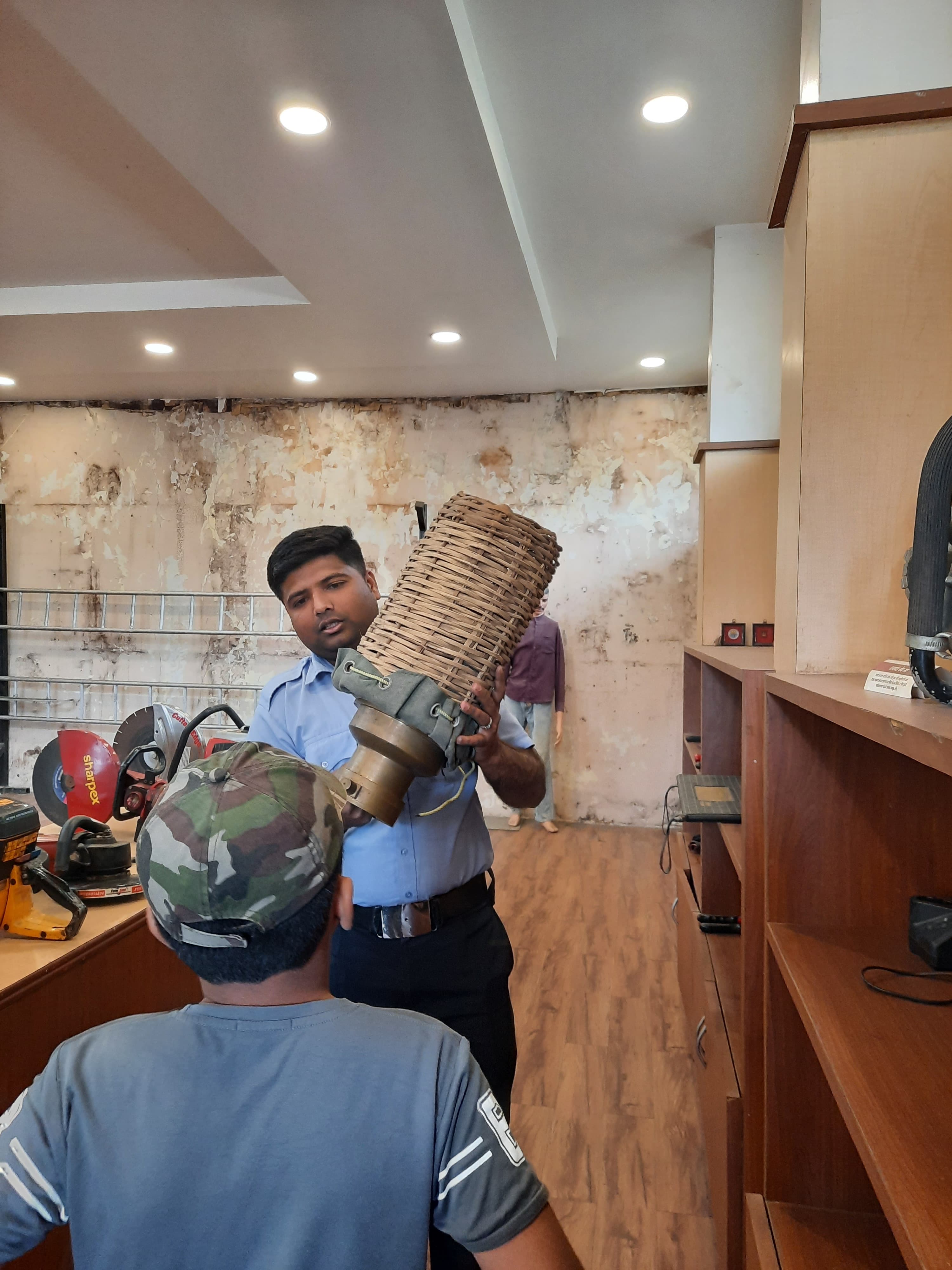
Children Don't Just Learn Concepts.
They Interact with Actual Experts
Building The Future.
Throughout the academic year, FunSmartism hosts special edu-events where students interact with:
Learn more about how this shapes the FunSmartism approach →Guests may include experts associated with organisations such as:
Year-long students receive priority opportunities to:
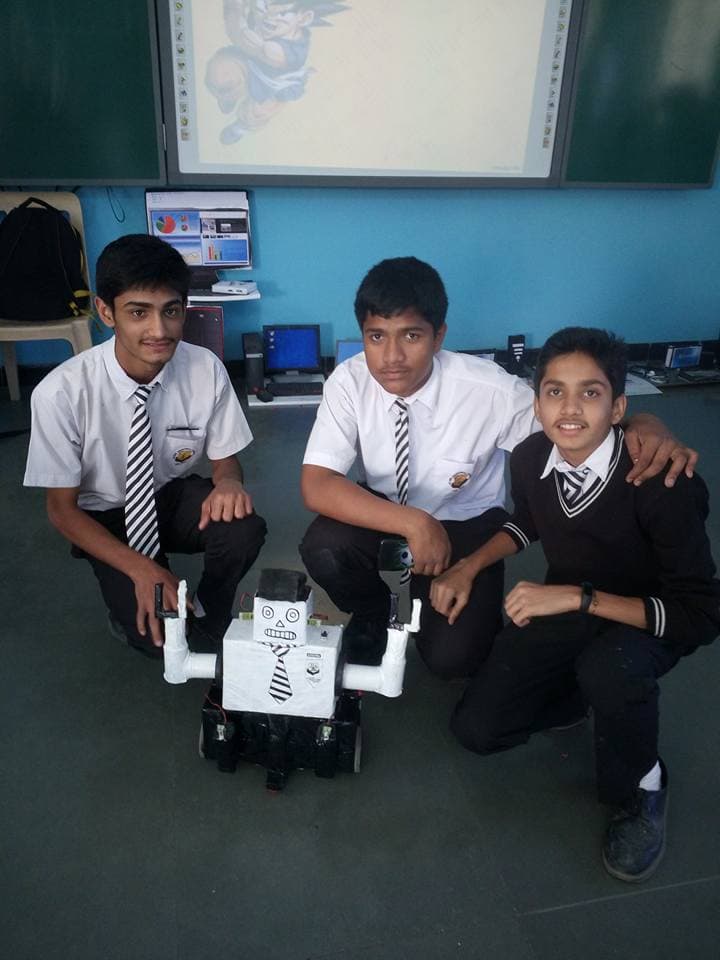
Children Here Don't Just Learn About Scientists. They Meet Them.
Throughout the year, FunSmartism hosts edu-events where children interact directly with scientists, researchers, and innovators from organisations including ISRO, DRDO, and IISER. Year-long students get priority access — asking questions, showcasing projects, and experiencing real innovation culture firsthand.
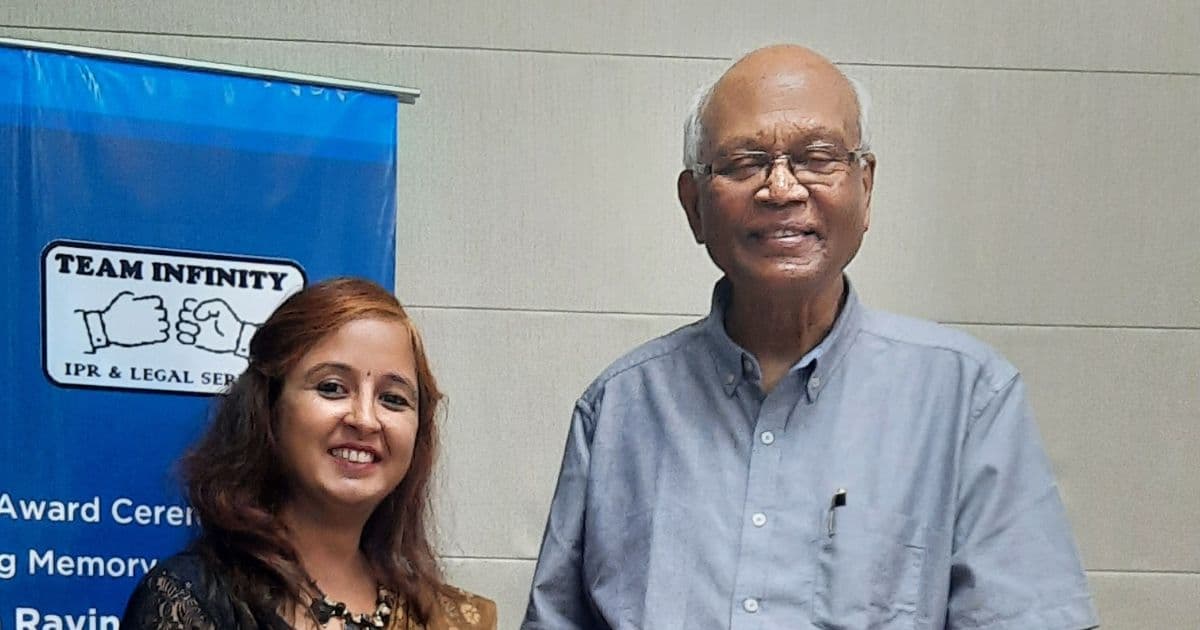
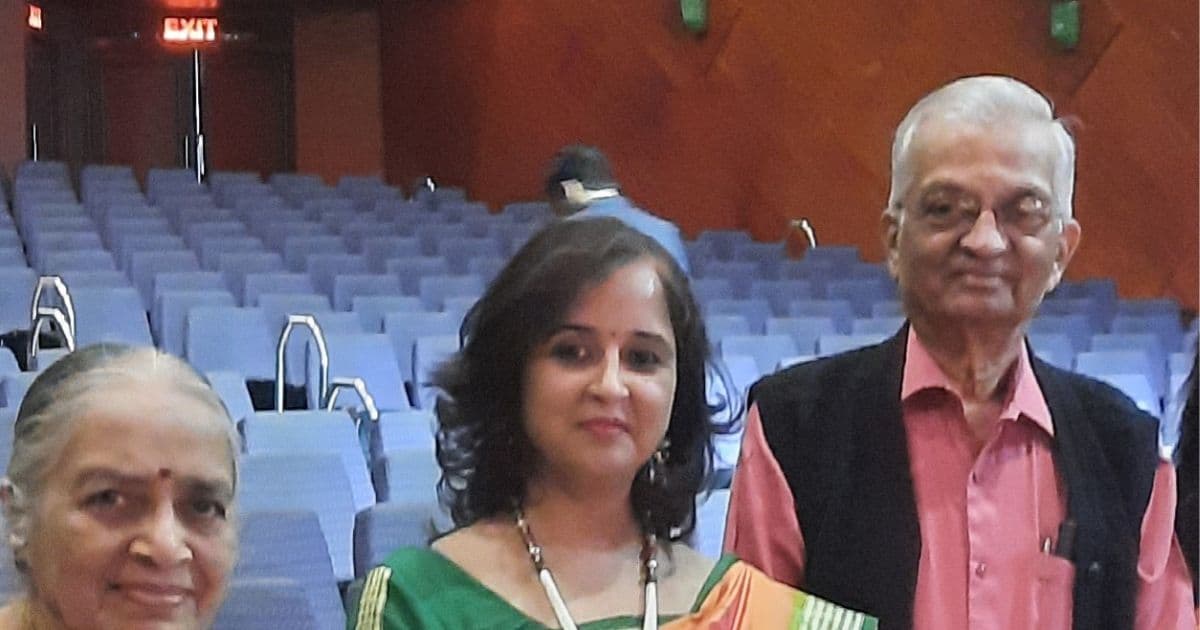
Dr. R. Mashelkar
Former DG, CSIR
“A conversation on curiosity-driven innovation and why India needs more makers, not just test-takers.”
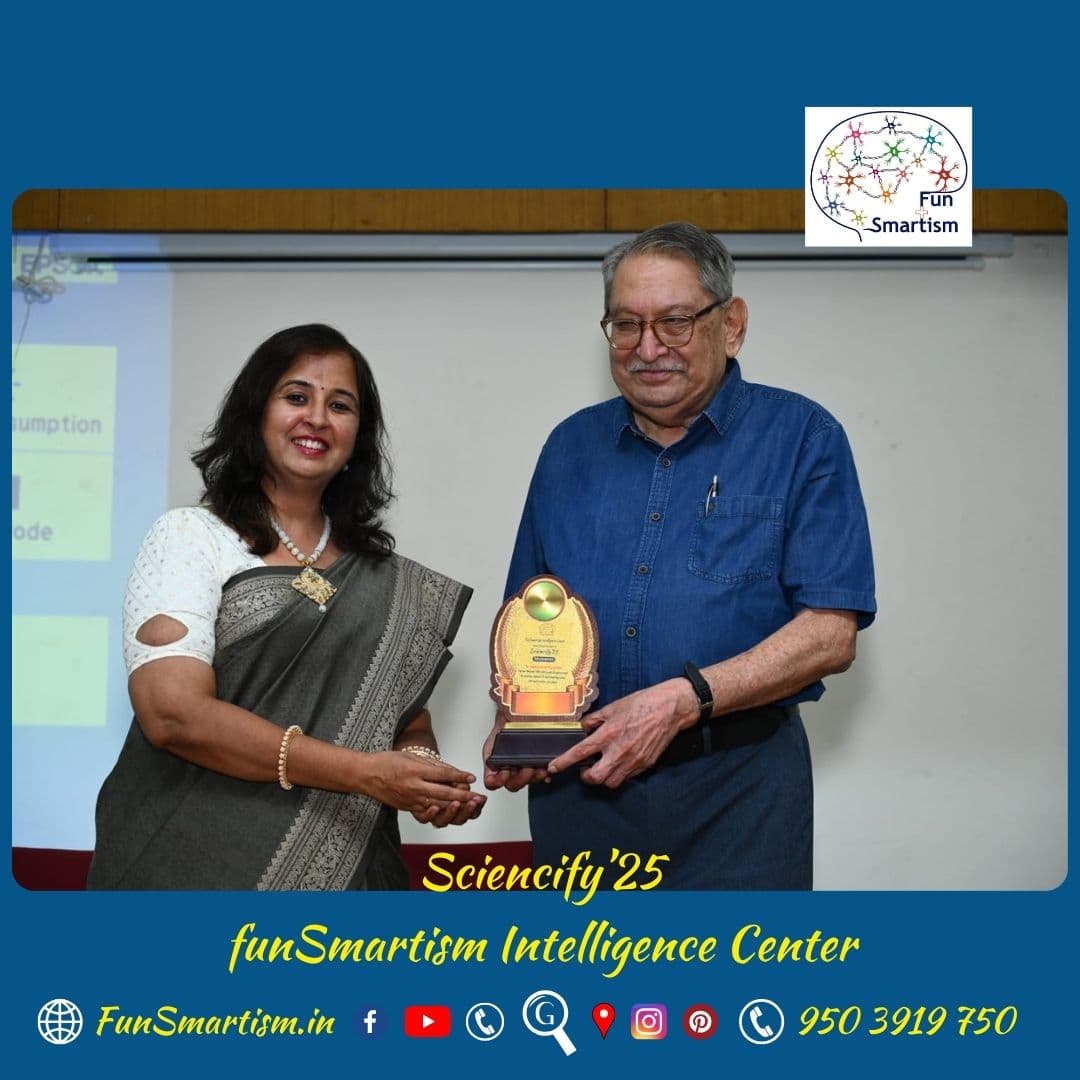
Dr. Anil Kakodkar
Former Chairman, Atomic Energy Commission
“Discussions on scientific temperament and building a culture of deep thinking from a young age.”
Pramod Khandekar
Scientist of NII
“A discussion that reinforced the idea: if you can explain it simply, you truly understand it.”
Prof. Jayant Narlikar
Astrophysicist & Science Communicator
“Inspired by his belief that wonder is the first step to science — a principle FunSmartism carries into every session.”
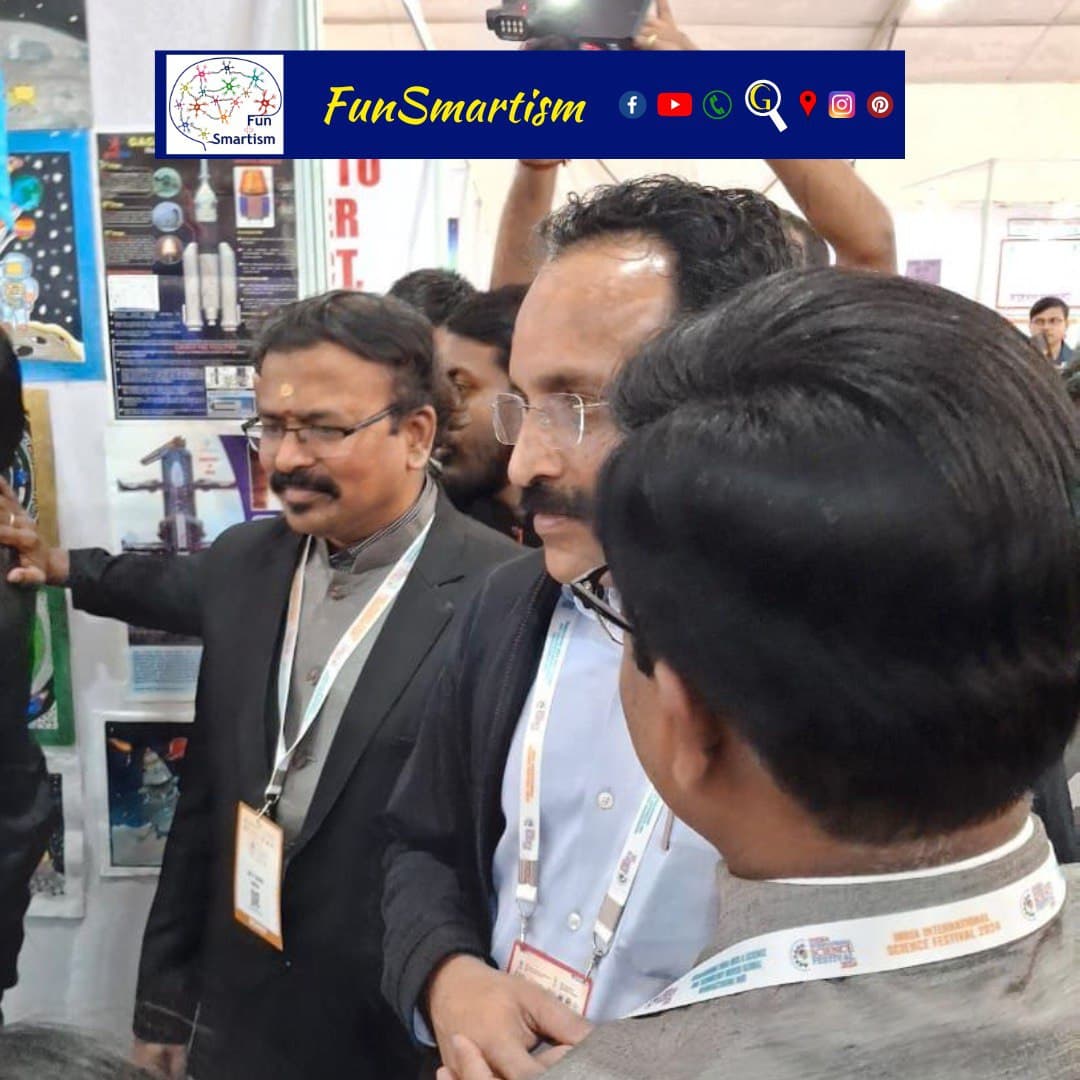
S. Somanath
Chairman, ISRO
“A reminder that every great mission starts with children who dare to ask "what if?"”
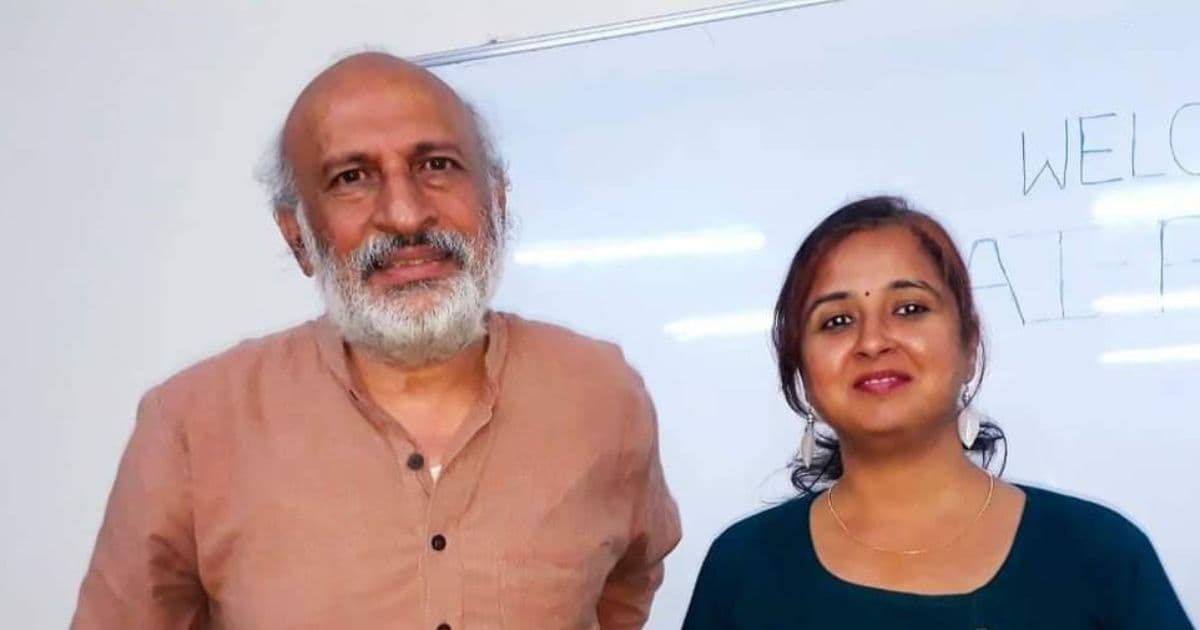
Arvind Gupta
Educator & Toy Inventor
“His philosophy of learning through simple, hands-on making deeply shapes how FunSmartism designs its projects.”
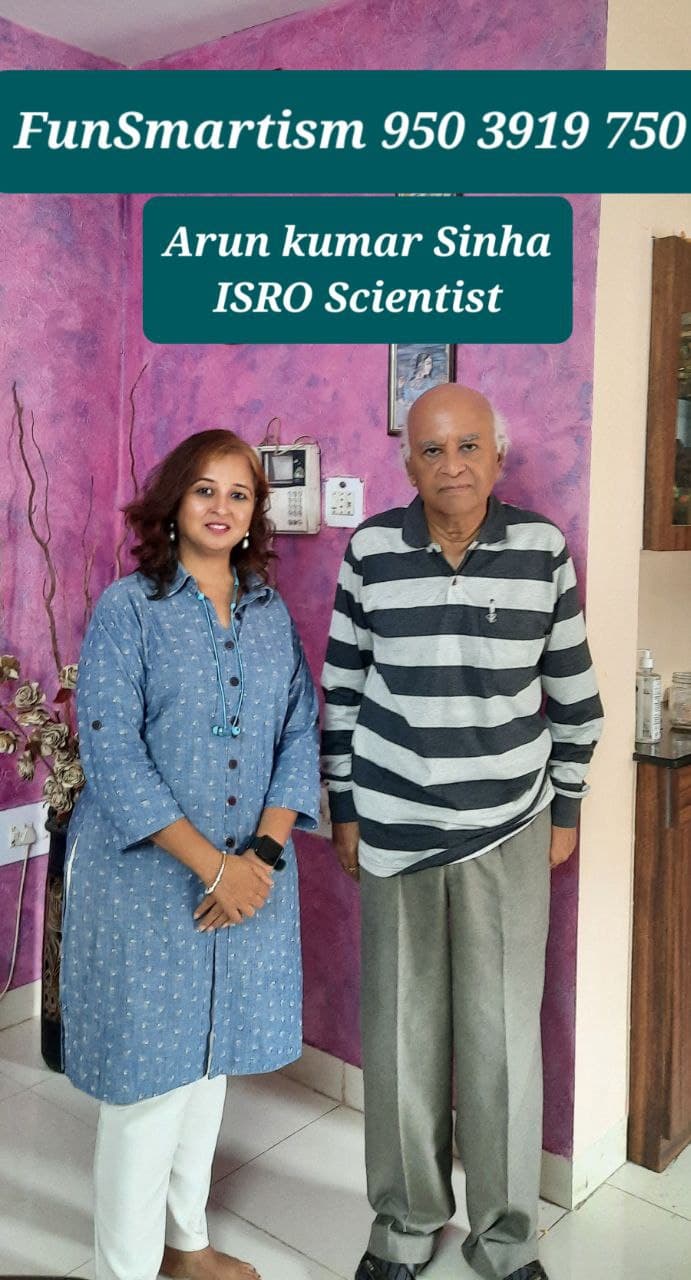
A.K. Sinha
Scientist & Educator
“Conversations around the value of persistence and experimentation in building real understanding.”
Kashinath Deodhar
Innovator
“An inspiring exchange on grassroots innovation and how local problems are the best classrooms.”
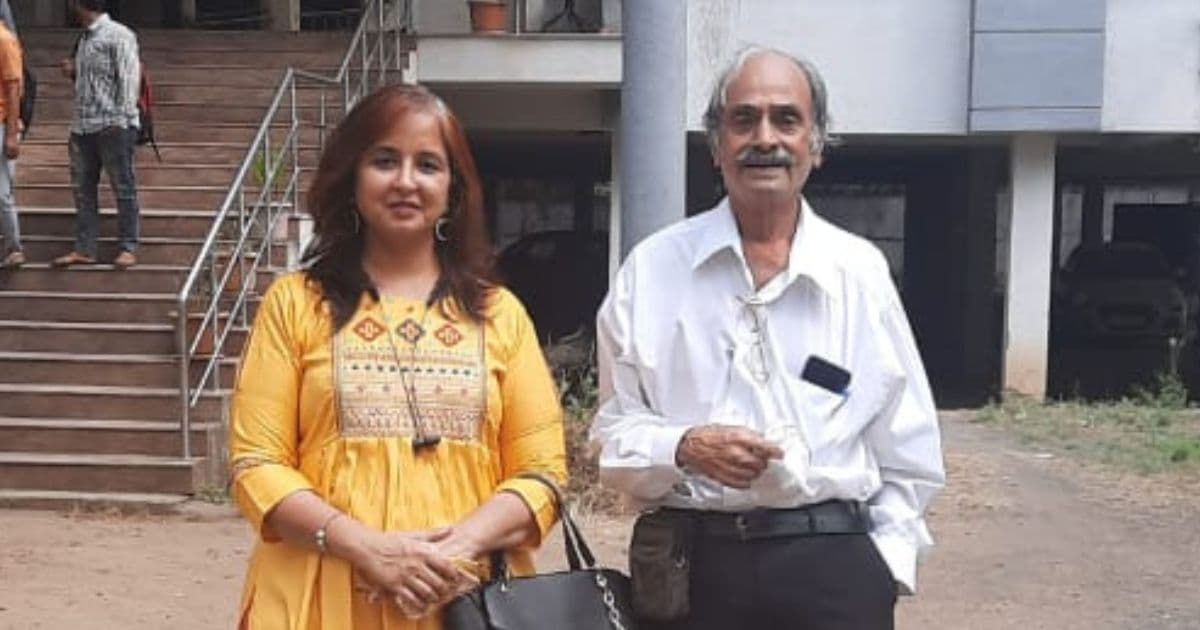
Pramod Kale
Former Director of ISRO
FunSmartism values learning from people who have pushed the boundaries of science, education, and human potential. We believe that exposure to such minds — even through a single conversation — can spark something lasting in a child.
We continue to seek interactions with exceptional scientists, educators, and innovators, and may collaborate with similar personalities in the future.
No other robotics or STEM class in Pune offers this. Most offer kits and certificates. We offer access to the people who actually do science.
What Happens Inside FunSmartism?
Children do not sit through long lectures or copy fixed steps from notebooks or screens.
They build, open, test, redesign, discuss, and experiment through hands-on RoboSTEM themes across the academic year.
While Children Build and Solve, We Also Observe
How They Think.
During activities and challenges, facilitators naturally observe patterns that often come up at home too, but get unnoticed by parents.
These observations are shared with parents through examples and discussions — helping parents support learning without over-helping.
10 themes. 10 worlds to explore.
Depending on the month’s theme, domains explored include:
Robotics
Astronomy
Space Science
Aeromodeling
Rubik’s & Cognitive Sudoku
Hands on STEM Projects
Electronics & tech toys
Design Thinking & Innovation
Sci-Fi Story Writing
How Stuff Works
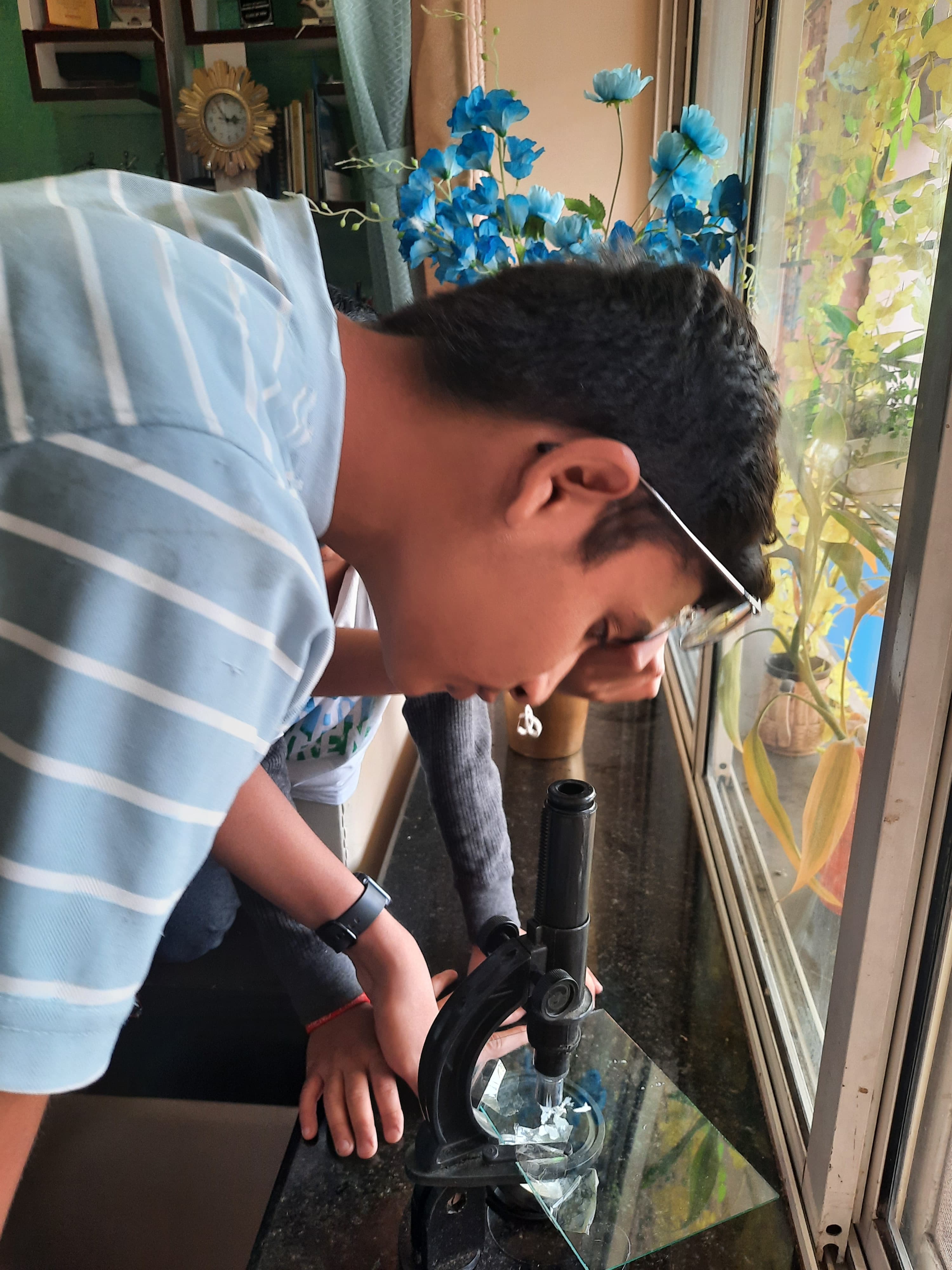
What Parents Often Notice Over Time
Parents often notice children becoming:
more independent while solving problems
less afraid of making mistakes
more curious about how things work
more willing to retry difficult tasks
more confident in unfamiliar situations
more interested in building and experimenting at home
more comfortable asking deeper questions
more independent while solving problems
less afraid of making mistakes
more curious about how things work
more willing to retry difficult tasks
more confident in unfamiliar situations
more interested in building and experimenting at home
more comfortable asking deeper questions
Programs Structured Like Workshops.
Not a Tuition Class.
FunSmartism follows a focused exploratory approach.
RoboSTEM Thinking Lab — Annual Program
2 weekend sessions per month. Hands-on projects, robotics, engineering challenges, and real-world experimentation across 10 themes. Children build, test, and solve — facilitators observe how they think.
Friday STEM Challenge Club
Weekly sessions every Friday. Independent challenge-based problems designed to build consistent thinking habits outside school routine for the whole academic year.
10-Day STEM Tinkering Workshop
Intensive vacation program. One new STEM theme every day — projects, experiments, and hands-on challenges across robotics, space science, electronics, and more.
Trusted by thinking parents.
"I came expecting a progress report like school. What I got was a conversation about how my daughter spends 10 minutes examining something before she ever tries to use it. That's not something any school has ever told me."
Priya M.
Parent · 11-year-old
"My son has been 'easily distracted' according to every teacher he's had. The team showed me he isn't distracted — he loses interest when the challenge isn't deep enough. That reframe changed everything."
Arvind M.
Parent · 13-year-old
"She built a working model on Day 4 and then quietly started dismantling it to see if she could build it differently. Nobody asked her to. That moment told me more than three years of school report cards."
Sunita R.
Parent · 10-year-old