We started FunSmartism because
we kept seeing something
schools weren't designed to notice.
And because we believed children deserved more than kits and certificates — they deserved access to the people who actually think, build, and discover.
Children often behave very differently when they are given real opportunities to build, explore, experiment, and solve unfamiliar challenges actively.
FunSmartism was created to provide more of those environments.
Three Things We Believe.
Many children do not lack ability.
They often lack enough opportunities to solve unfamiliar challenges independently.
Marks show outcomes.
They do not always show how a child approaches difficulty, uncertainty, or real-world problem-solving.
From software systems to child thinking systems
Dipali Akolkar, Founder — FunSmartism
After years in software development and hands-on parenting, Dipali went deeper into child development through formal learning experiences in both Pune and the USA.
What stood out was simple: the right environment can completely change how a child observes, persists, and solves.
That insight led her to build FunSmartism in Pune — a scientist-inspired RoboSTEM environment where real problem-solving becomes visible and parents learn how to support independent thinking in everyday life.
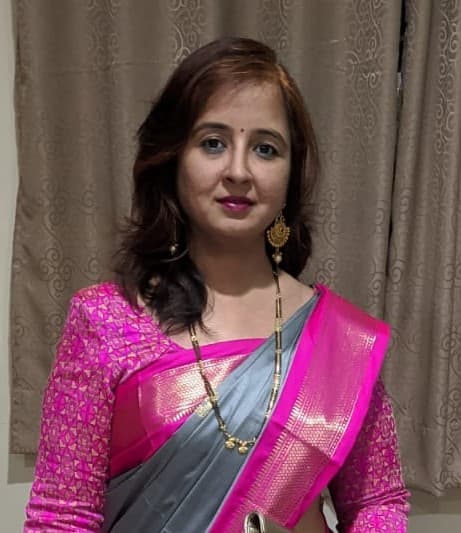
Dipali Akolkar
The problem we saw
Many children looked capable, but they only shined when the environment asked them to think independently.
A new way to observe
Instead of teaching a result, we began documenting how children decide, retry and explain their next move.
A thinking-first lab
FunSmartism became the space where the process is the outcome and every team member is a careful observer.
The mentors behind the learning experience
FunSmartism is founder-led, strengthened by experienced mentors, collaborators, and practitioner friends who contribute to workshops, challenge design, and real-world learning experiences.
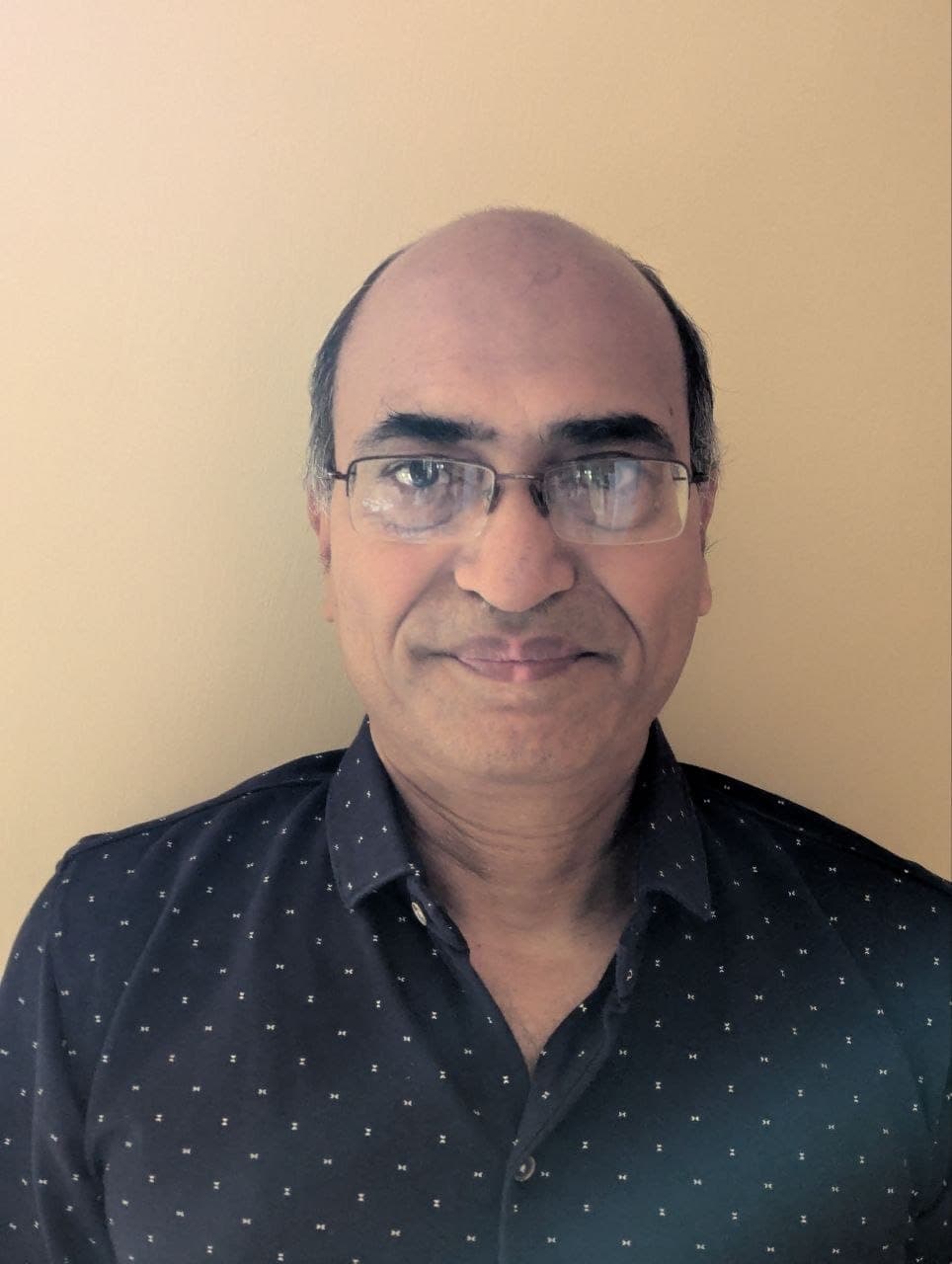
Vasant Nehete
Entrepreneur · Electronics hobbyist · Organic farming experimenter
"Has co-conducted 16+ workshops, Guides hands-on electronics explorations and helping children build confidence through trial-and-error exploration and practical electronics."
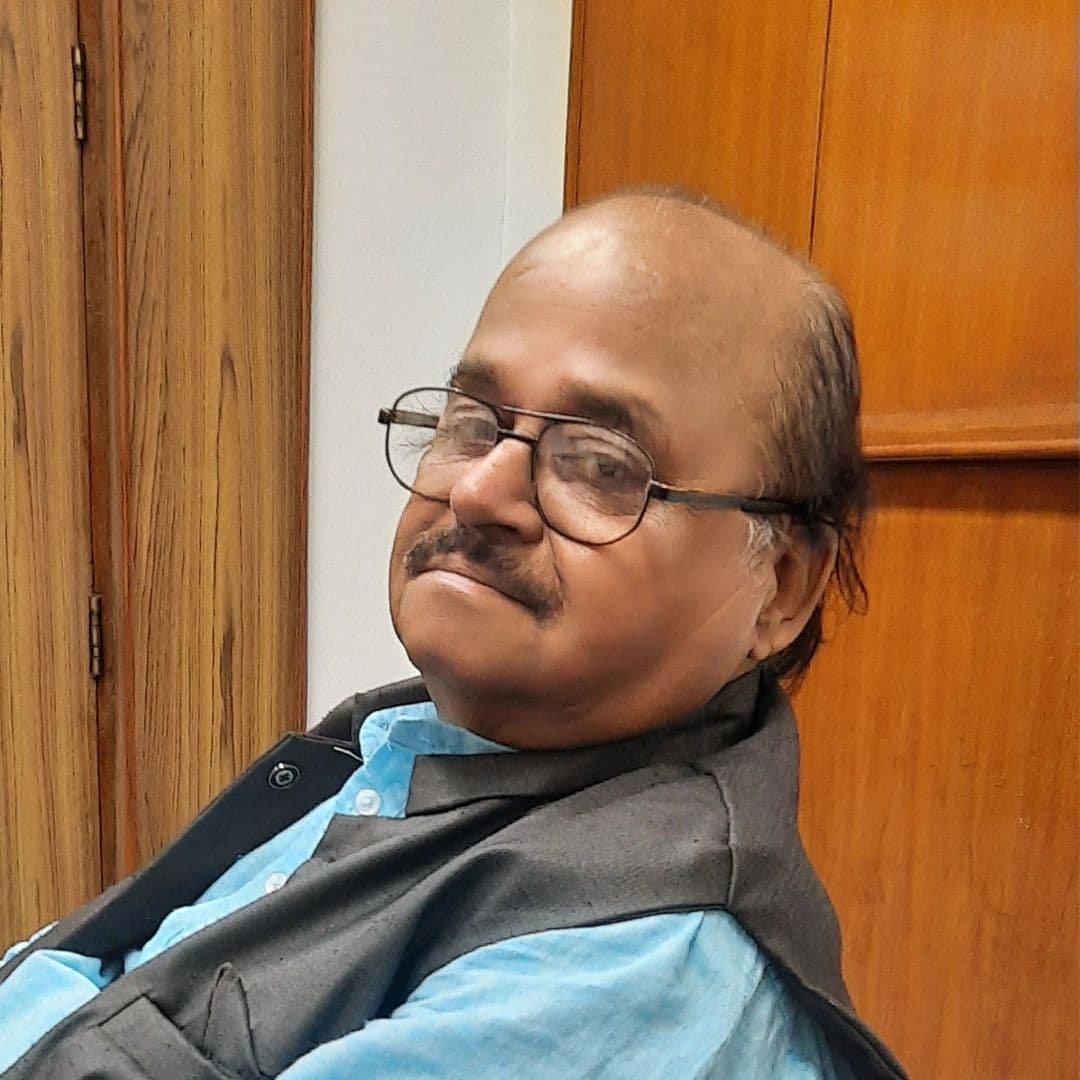
Vilas Rabde
Electronics Engineer · 37 years at Philips · Ham Radio operator
"A frequent collaborative mentor who brings deep industry and project exposure, experience into electronics, instrumentation, and workshops."
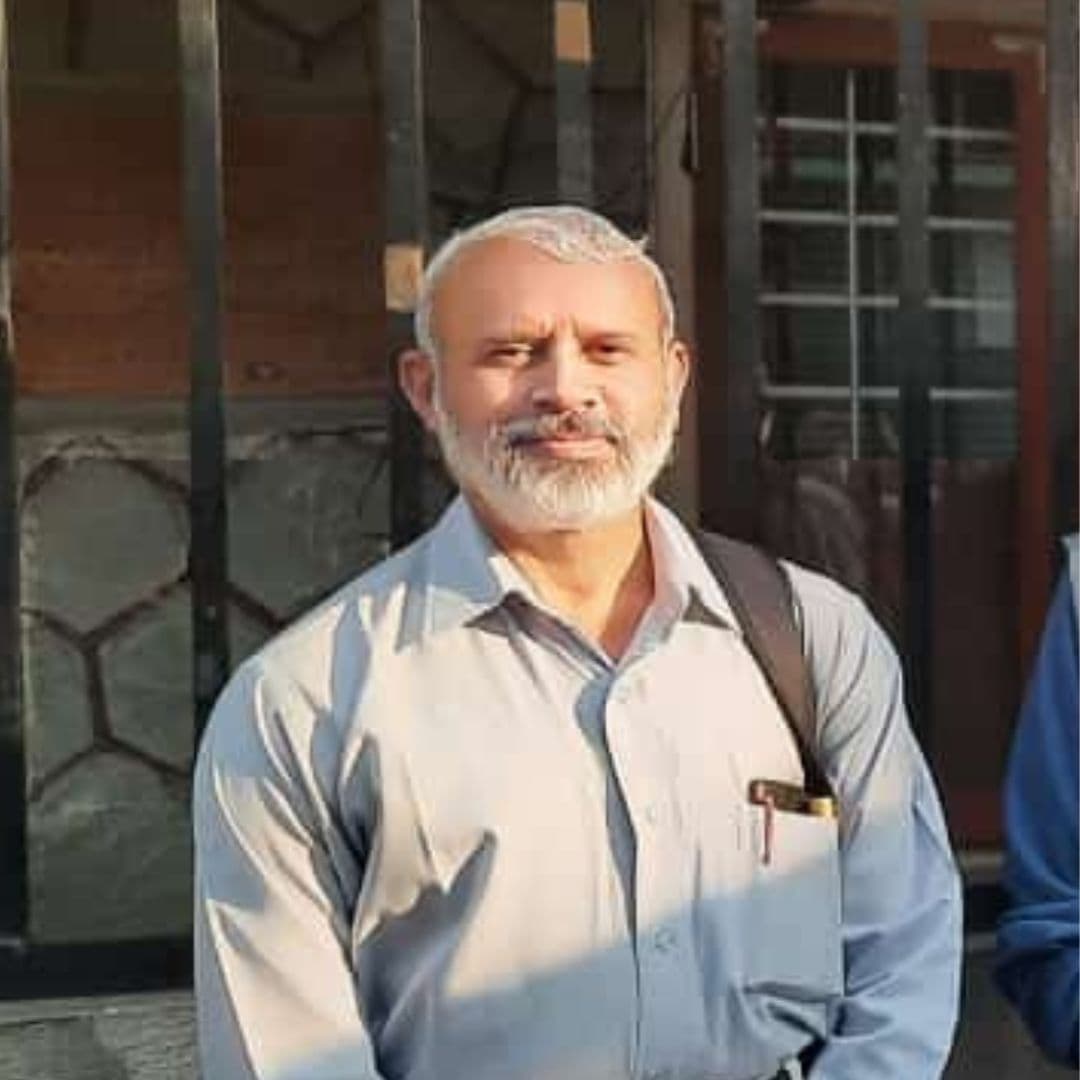
Milind Bhagwat
Mechanical Engineer · 45+ years across CNC, telecom, biometrics, smart systems
"Supports advanced engineering, design thinking projects and frequently mentors workshop and real-world problem-solving."
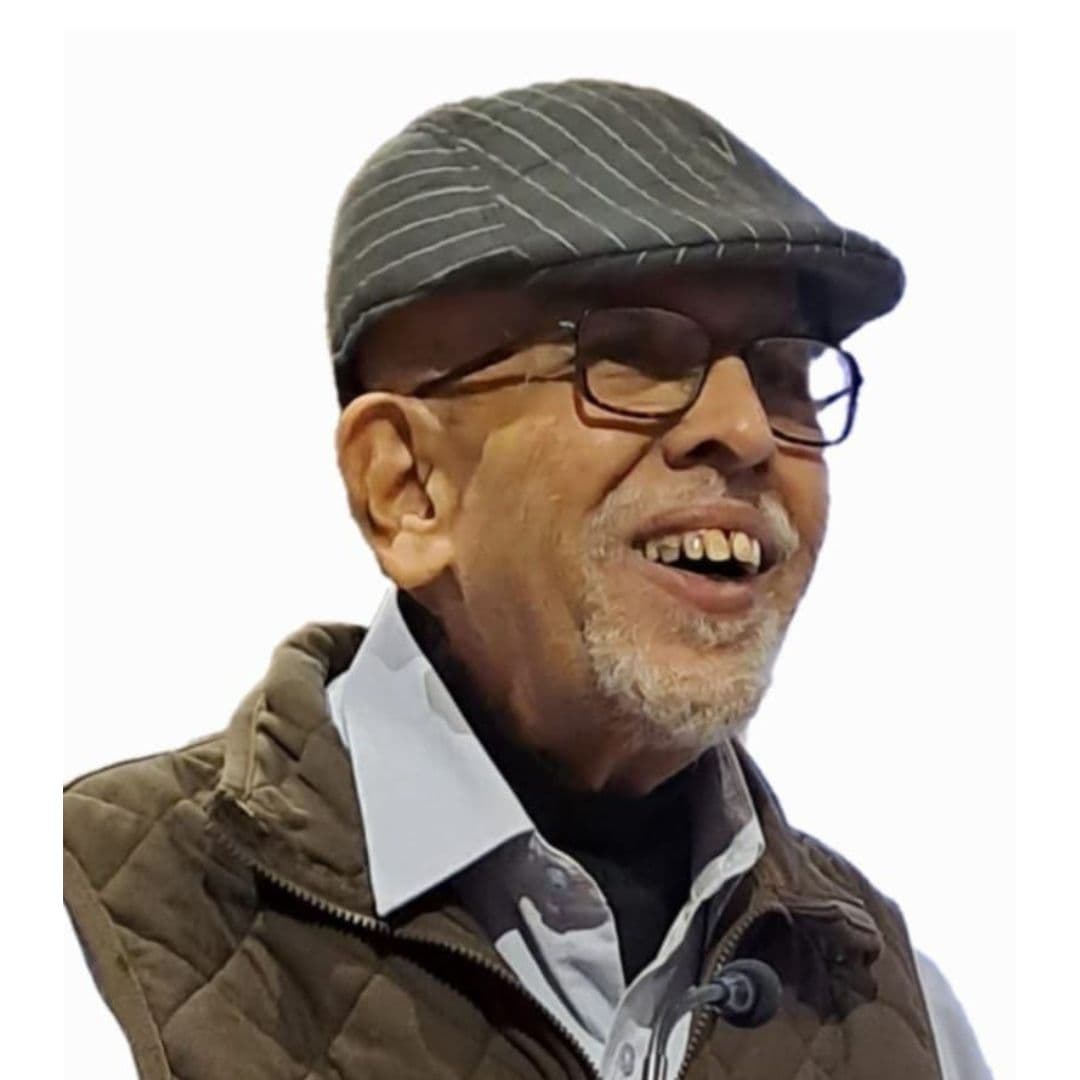
Shrirang Gokhale
Mechanical Engineer · Product Designer · Entrepreneur mentor.
"Contributes to select workshops and helps shape challenge design through creative problem-solving guidance and workshop ideation."
Vasant Nehete
Entrepreneur · Electronics hobbyist · Organic farming experimenter
"Has co-conducted 16+ workshops, Guides hands-on electronics explorations and helping children build confidence through trial-and-error exploration and practical electronics."
Moments from Real Sessions
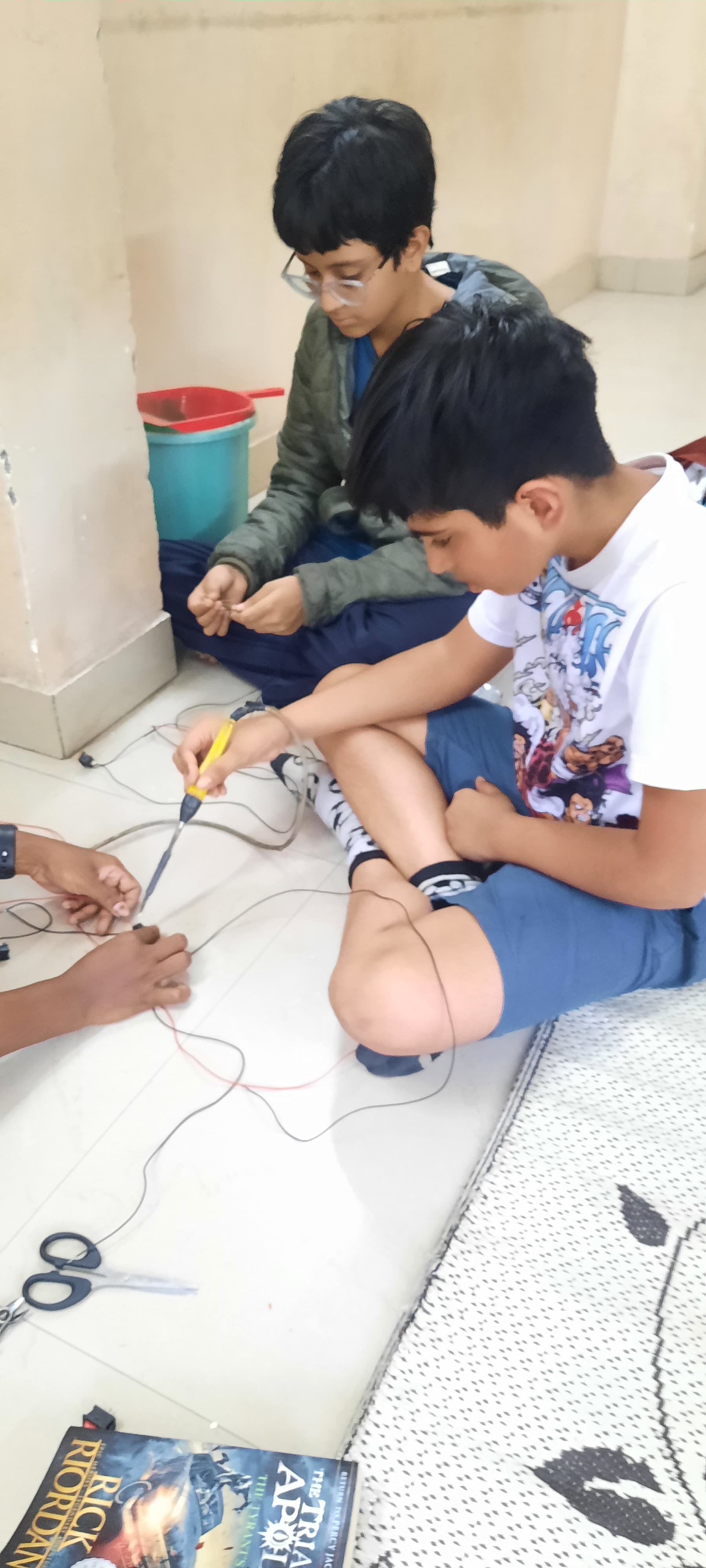
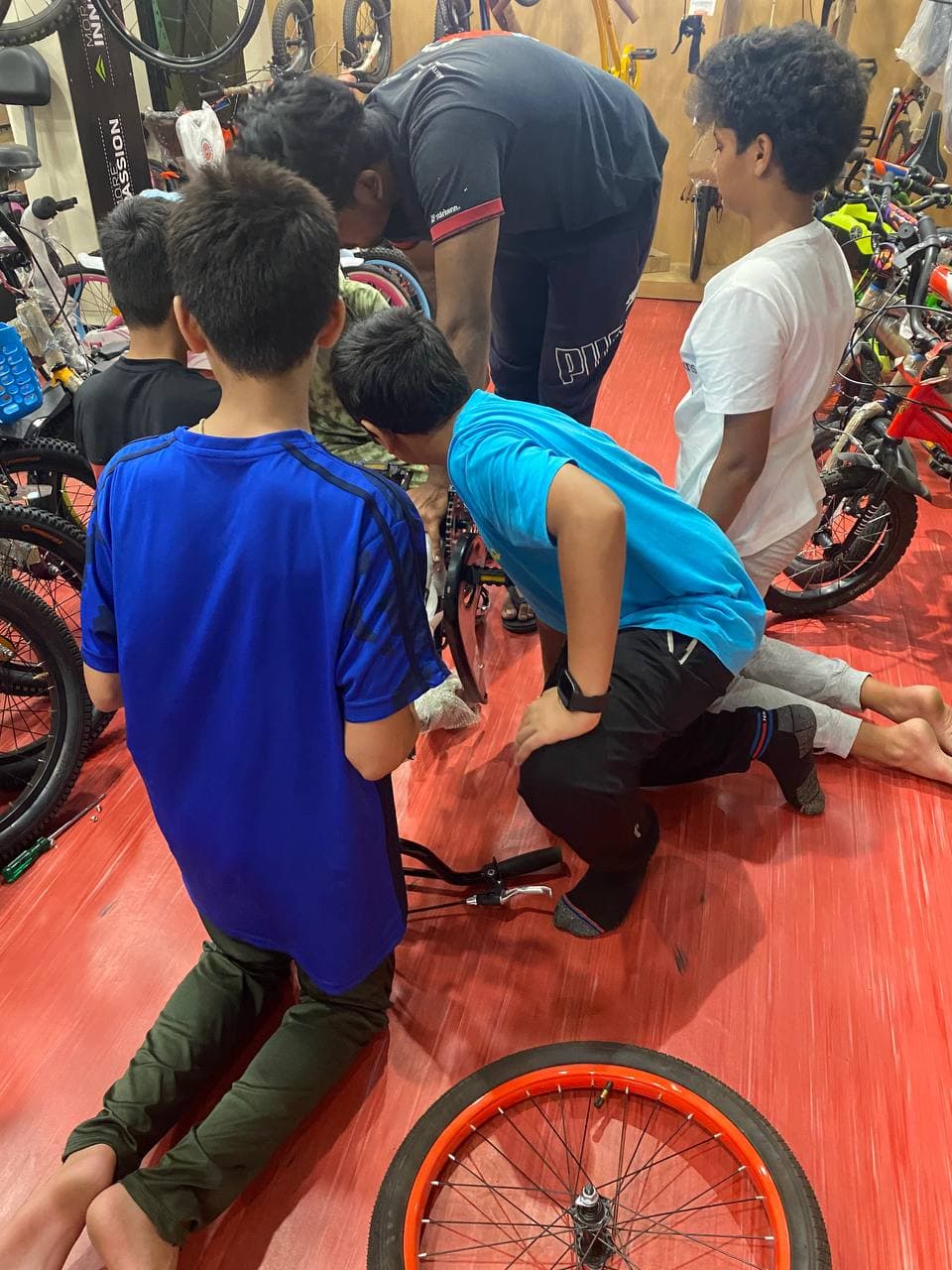
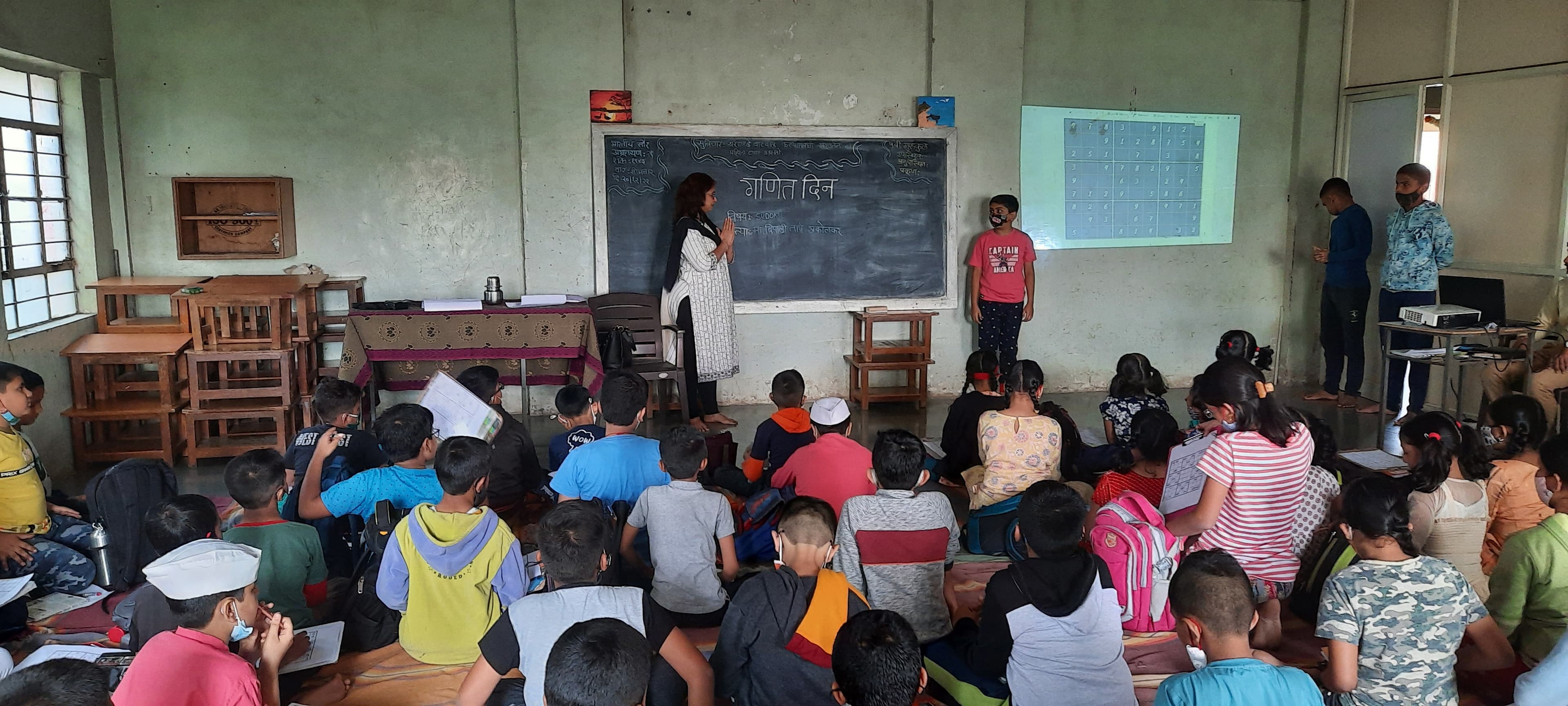
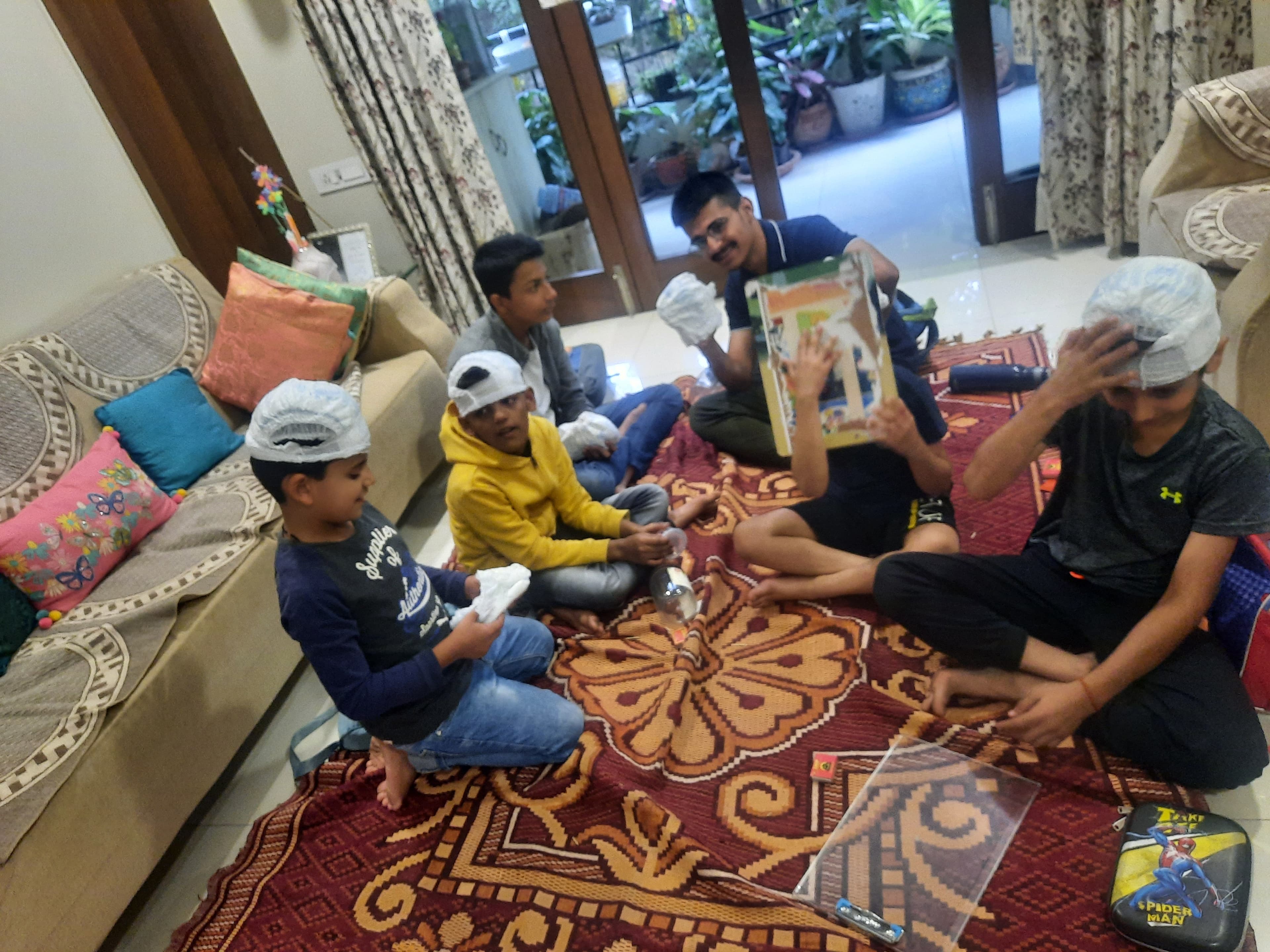
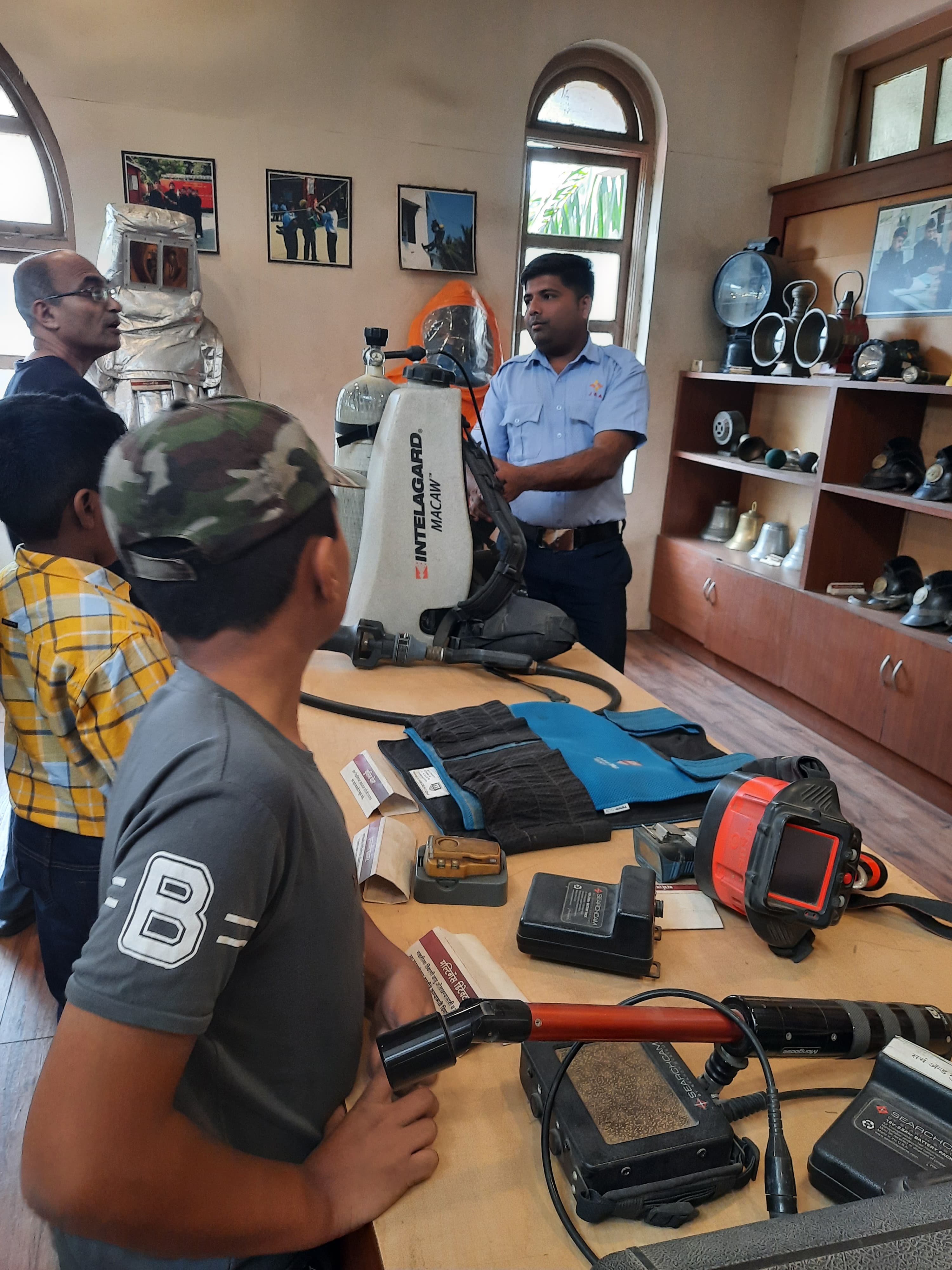
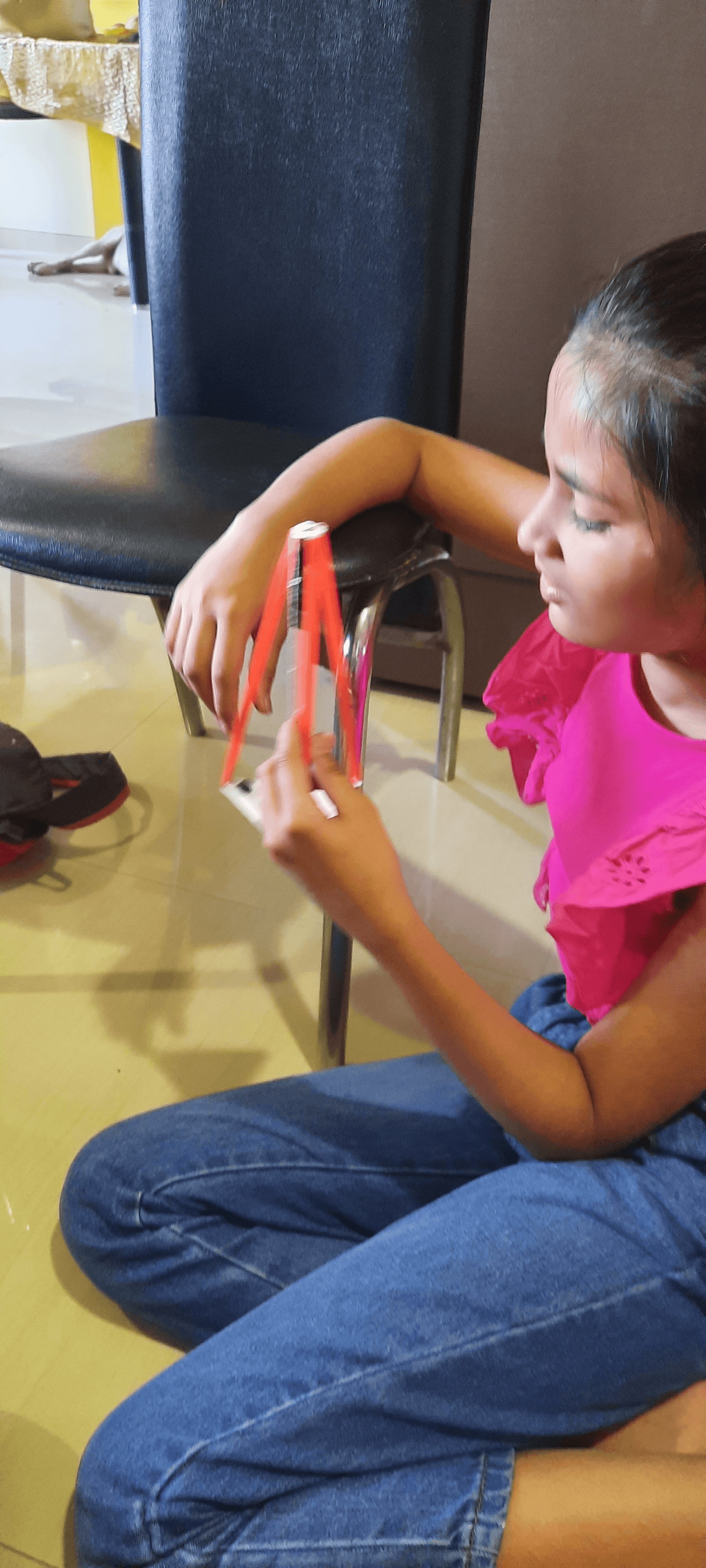
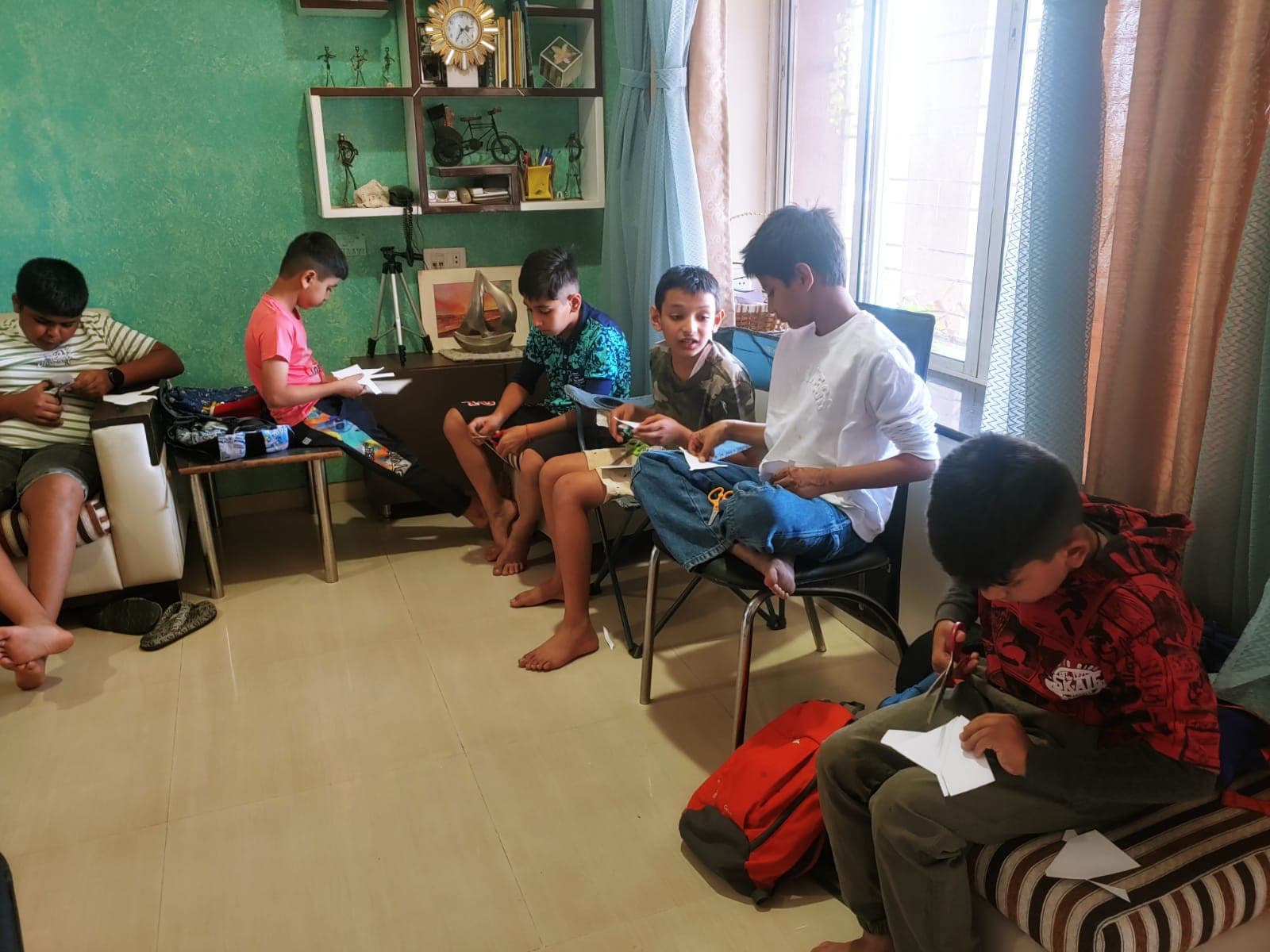
These are the kinds of moments that happen regularly inside workshops, STEM challenges, and year-long sessions — moments that often reveal sides of children parents rarely get to see during traditional learning routines.
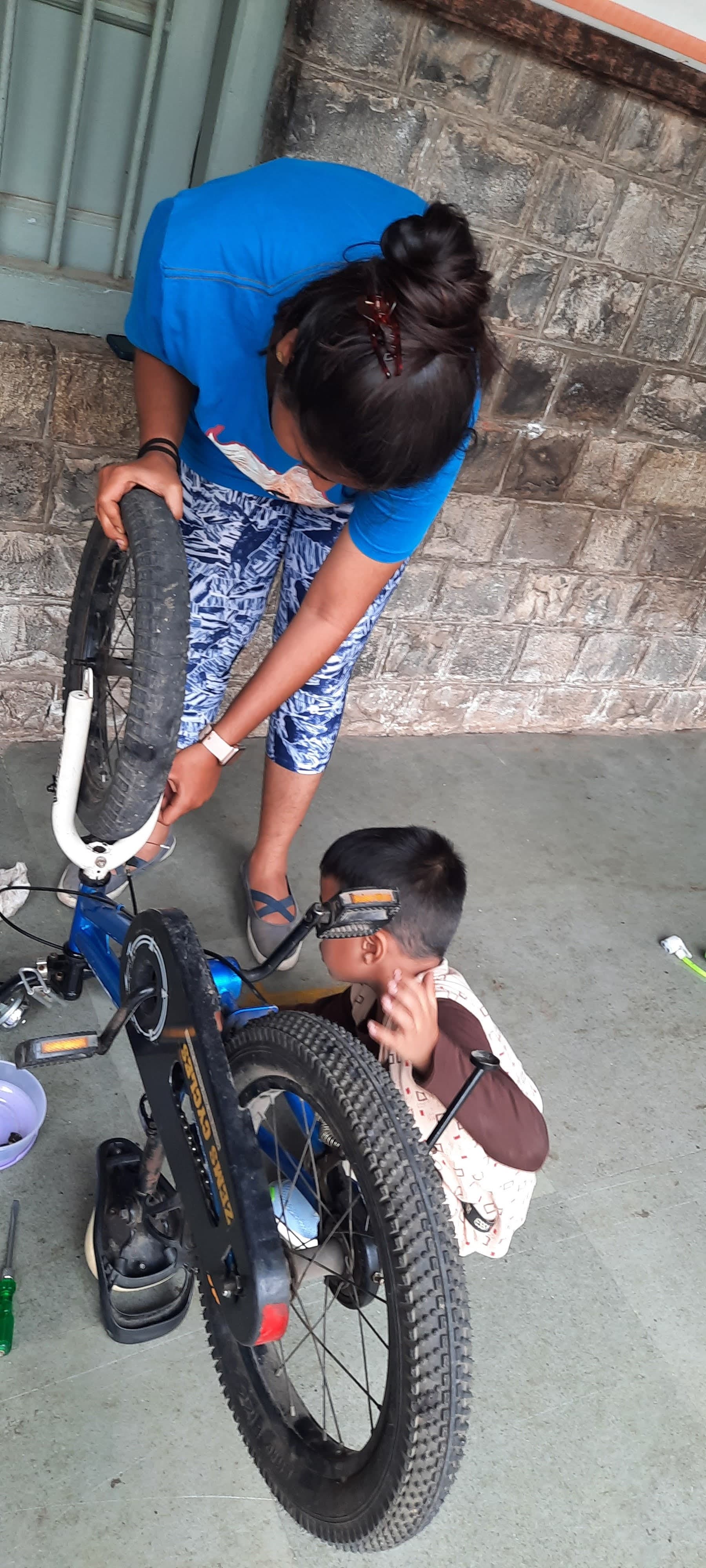
A 10-year-old and a gear system he'd never seen before.
He didn't touch it for the first eight minutes. Just looked. Tilted his head. Looked from a different angle. When he finally reached out, his first move was to turn the largest gear — testing the system before committing to it. His parent had described him as 'slow to start things'. We described it as a real problem solving way of first observing the system. Same child. Different lens.
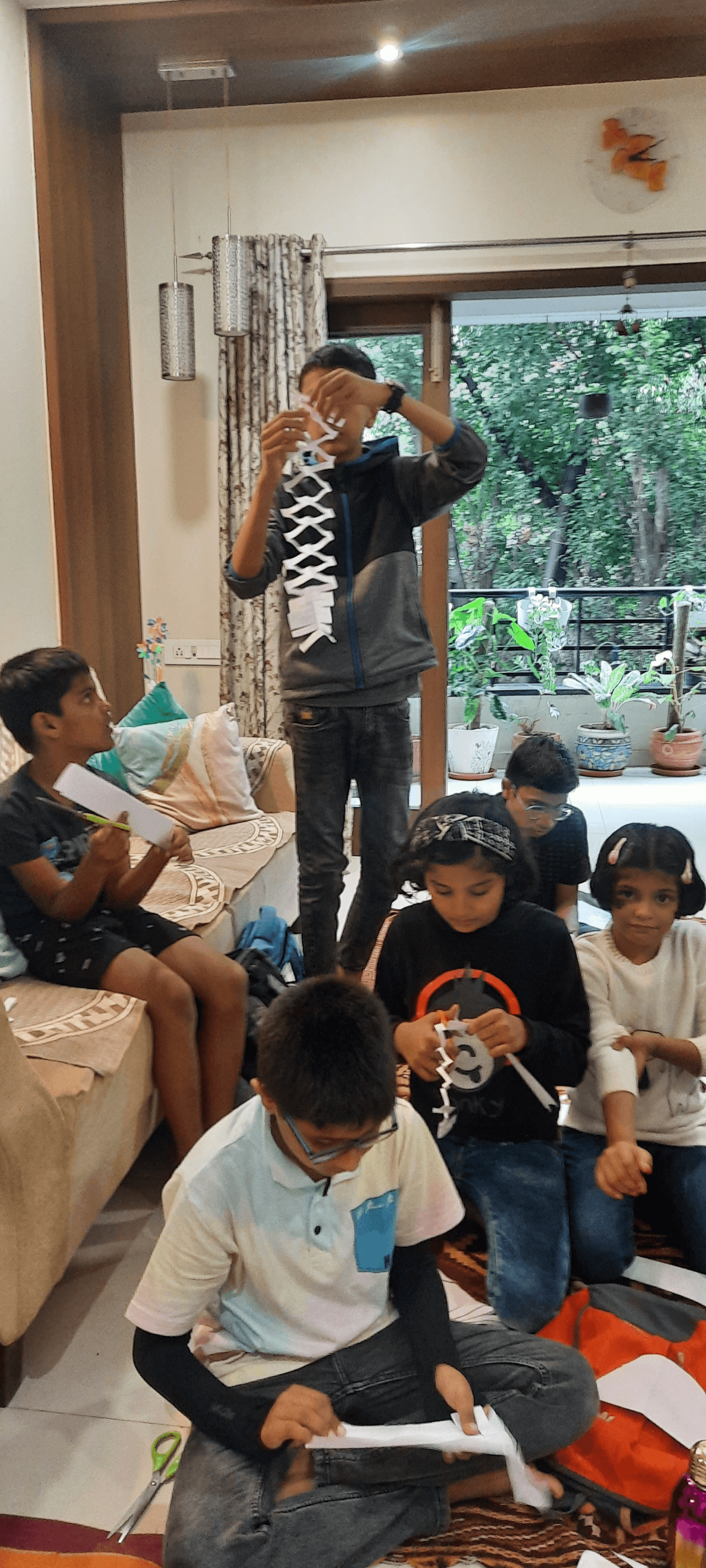
A 12-year-old who failed four times and kept going.
His fourth attempt didn't work either. He sat back, stared at the ceiling for about thirty seconds, then picked up the materials and tried something genuinely different. Not a variation — a different approach entirely. That shift is harder than it sounds. Most adults default to trying the same thing faster. He did it at twelve, without being asked.
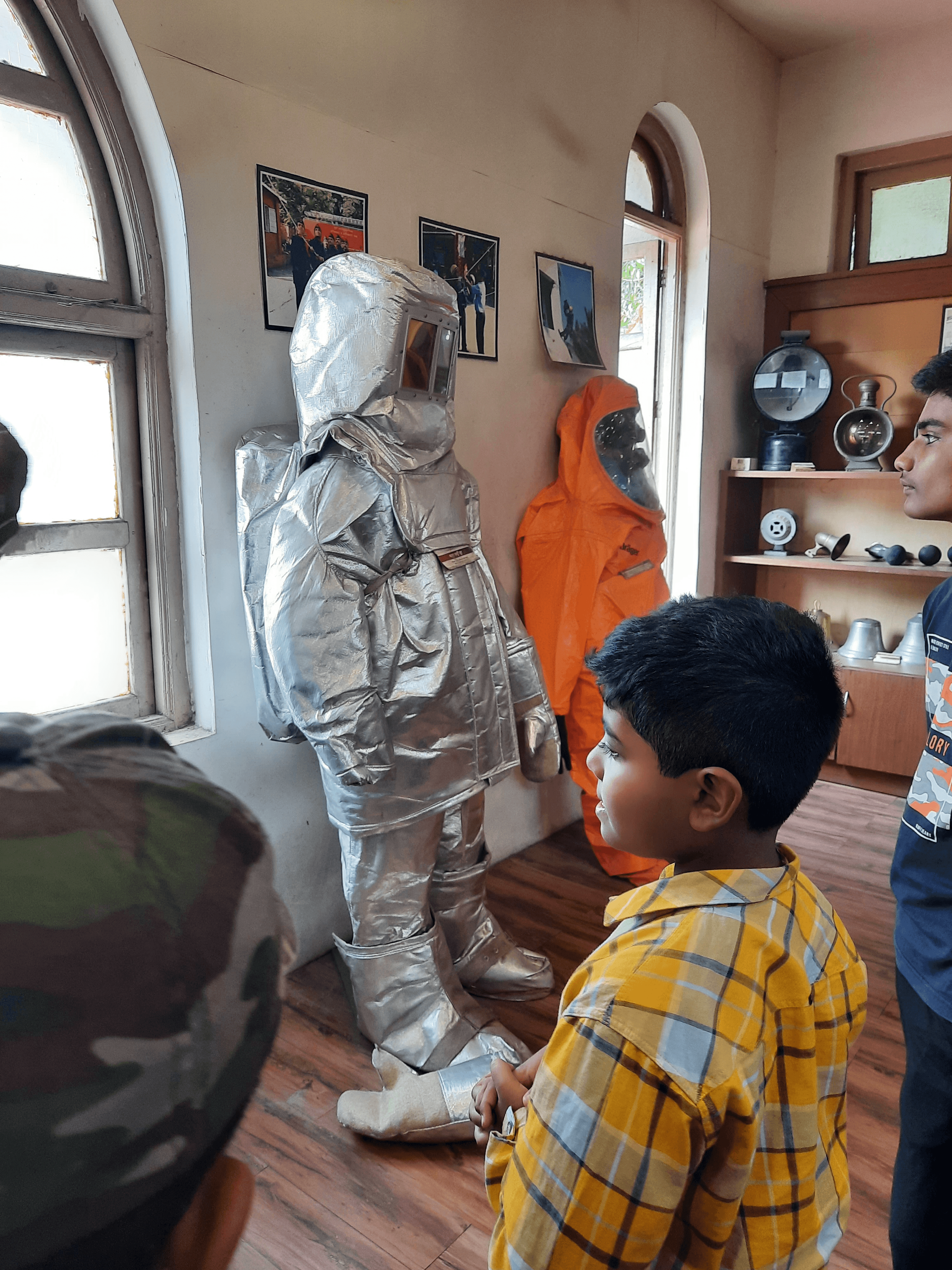
A 14-year-old who explained his project to a scientist during one of our school and edu innovation events.
He'd spent a month building a working model during the year-long program. At the event, a researcher asked him how it worked. He answered — clearly, confidently, technically. And then asked the researcher a question back. His mother said she'd never heard her son speak to an adult that way. We weren't surprised. We'd been watching him think for eight weeks.
"These moments happen regularly inside sessions."
See how programs work →Marks show outcomes.
Real-world learning experiences shape confidence, curiosity, and independent problem-solving — not rote learning.
We are not against exams, academics, or results. We simply believe children also need environments where they can actively participate in learning instead of only following instructions.